
Senior Pet Care: Nutrition & Wellness Tips
One day your dog is sprinting across the yard after a tennis ball, and the next they're carefully considering whether that game is really worth the effort. As pets age, subtle changes in energy, mobility, digestion, and behavior become more common. The good news is that many of these changes can be supported through thoughtful nutrition and wellness habits. Understanding how aging affects digestion, weight management, vision, heart health, joint comfort, and cognitive function can help your pet stay comfortable and thriving well into their senior years.

Diet and Digestion Support
Aging pets may experience changes in metabolism, digestive efficiency, and appetite. Some become less active and gain weight more easily, while others struggle to maintain healthy body condition. Providing balanced nutrition that aligns with your pet's age, activity level, and health status is an important part of senior care.
Digestive support may also become more important as pets age. Ingredients that support healthy digestion and nutrient absorption can help ensure older pets continue to get the nutritional value they need from their daily meals. Regular weight monitoring and veterinary checkups can help identify concerns before they become more significant.
Eye Health Considerations
Vision changes are common in senior pets. While some age-related changes are normal, others may require veterinary attention. Pet owners may notice increased caution when navigating stairs, decreased confidence in dim lighting, or changes in responsiveness to visual cues. Keeping furniture arrangements consistent and ensuring adequate lighting can also help senior pets remain comfortable in their environment.
Nutrition plays a role in supporting overall eye health, and maintaining routine wellness exams helps identify potential concerns early. Getting balanced omega fatty acids, especially omega-3 can help support retinal function. Antioxidants can help support vision as well, helping to slow oxidative damage over time.

Heart Health and Healthy Aging
The cardiovascular system can experience natural age-related changes over time. Regular veterinary evaluations help monitor heart function and identify concerns that may require additional management.
A healthy weight, appropriate exercise, and balanced nutrition all contribute to overall heart wellness. Senior pets should continue to engage in suitable physical activity, adjusted as needed to accommodate their comfort and mobility levels. Older pets may do best with frequent but shorter and easier activities, like slower short walks.
Joint Health and Mobility
Joint stiffness and decreased mobility are among the most common challenges associated with aging. Pets may show less enthusiasm for climbing stairs, jumping onto furniture, or participating in extended play sessions.
Maintaining a healthy weight is one of the most effective ways to support joint comfort. Nutritional supplements designed to support joint health including ingredients like glucosamine, chondroitin, omega-3 and Yucca can also be incorporated as part of a broader wellness routine. Soft bedding, non-slip flooring, and moderate exercise may help senior pets stay active and comfortable.

Brain Health and Cognitive Function
Just like people, pets can experience age-related cognitive changes. Some senior pets may become less responsive, appear confused in familiar environments, or experience changes in sleep patterns.
Mental enrichment remains important throughout life. Interactive toys, training exercises, social engagement, and consistent routines can help keep aging pets mentally stimulated. Nutritional support may also play a role in supporting normal cognitive function as pets grow older.
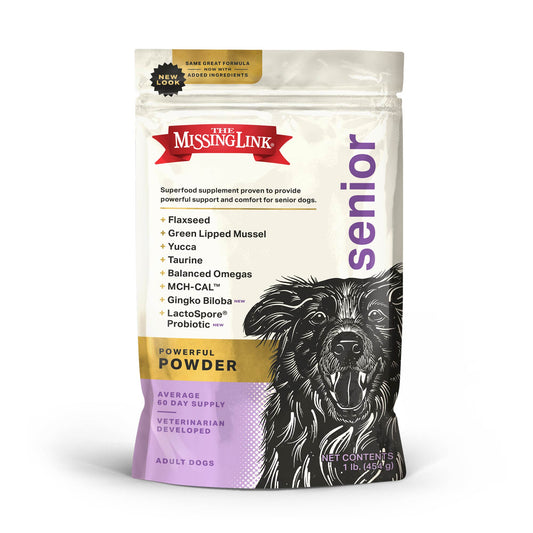
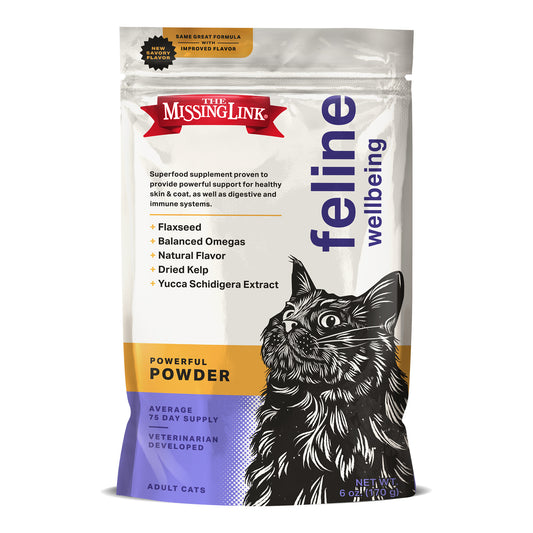
For many pet owners, supplements become part of a long-term nutrition strategy during the senior years. The Missing Link® pet supplements are carefully formulated to complement a complete and balanced diet. These superfood supplements include powerful ingredients like omega-3 fatty acids, fiber, glucosamine, chondroitin, MSM Yucca and others which help support joint and whole body health. Consistency, proper nutrition, and regular veterinary care remain the foundation of healthy aging for senior pets.